Have you been taking advantage of National Rosé Month? The 31 days that celebrate pink wine has already begun. Not that it’s the only month to drink rosé, of course. The wine is enjoyed year-round, but it’s no secret that its consumption rises as the mercury does. It’s often associated with sipping by the pool, packing in picnic baskets, and watching a sunset from the porch.
But we all know it’s much more than that, and there’s no reason to go far for your still or sparkling rosé. New York producers have you covered.
New York’s Climate Makes for Fine Rosé Production
The climate in New York’s various regions is favorable for making well-crafted rosé. In the Finger Lakes, cooler temperatures are beneficial.
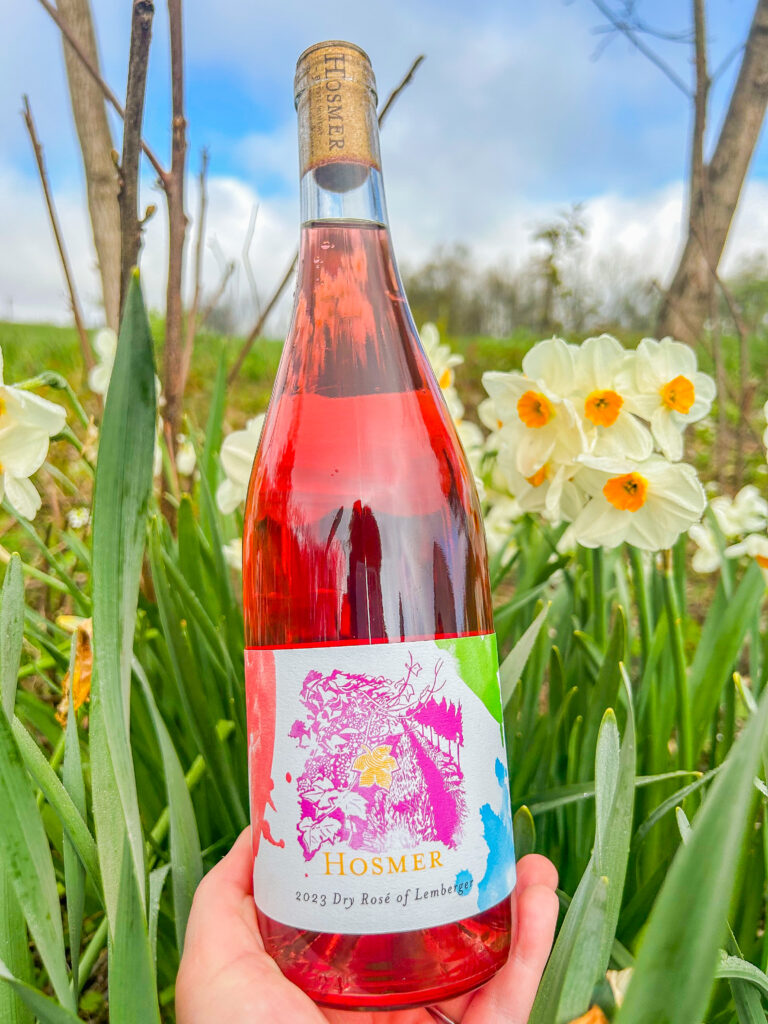
“The acid retention in our cool climate allows for a bright flavor profile and taut acidity,” says Julia Hoyle, winemaker at Hosmer Winery in Ovid. “In the Hosmer cellar, we cold-macerate our fruit for 24 to 72 hours (depending on the vintage) to extract flavor and color prior to pressing off. I never have to worry about the texture and length of our end product; I lean into what our climate does so well—fresh, fruit-driven wines.”
At Hosmer—and at Apollo’s Praise in Rock Stream, which she co-founded with her husband Kelby Russell—the dry rosés of Cabernet Franc she produces are the winery’s best-selling pink wines, and both are limited to 500 cases each year.
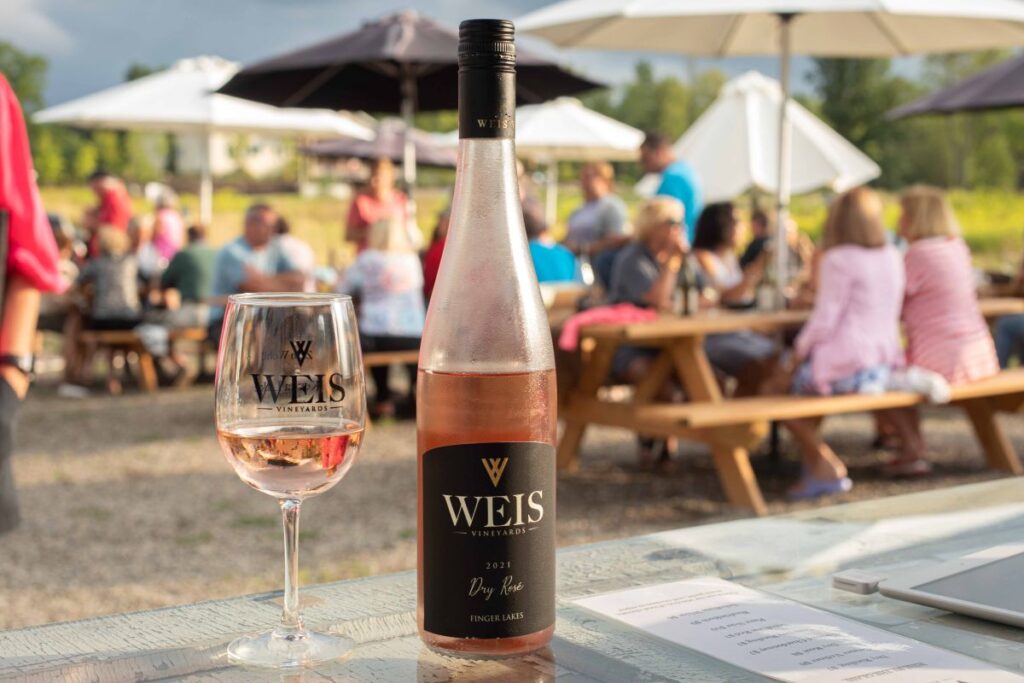
Weis Vineyards finds that the conditions along its Keuka Lake vineyards are also favorable for rosé.
“The Finger Lakes is a great place to grow grapes for rosé,” say owners Peter and Ashlee Weis via email. “Our cool nights help preserve the natural acidity, while our long growing season gives the fruit plenty of time to develop flavor. That combination lets us pick at lower Brix while still getting great ripeness, resulting in rosés that are bright, fresh, and full of vibrant fruit aromas.”
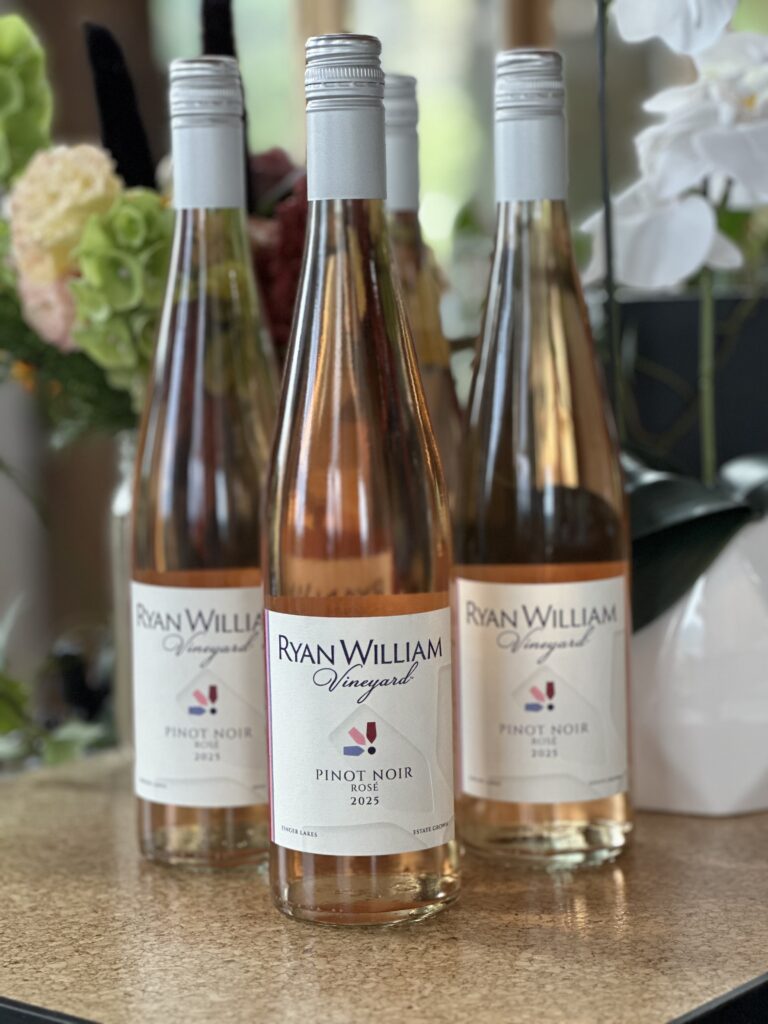
Ryan William, founder and owner of Ryan William Vineyard in Burdett, finds the shale soils in his estate vineyards on the southeast shore of Seneca Lake good for rosé wines. The position of the vineyards helps, too.
“Being on the east side of the lake, we are able to take advantage of the late afternoon sun for ripening,” he says of the grapes grown specifically for the purpose of making rosés, which are hand-harvested and pressed directly from the skins.
“Since 2014, we have produced still rosés from Pinot Noir and Syrah. They are dry, refreshing, lightly colored, and profound without manipulation,” says William. Of the two, the Pinot Noir is the winery’s best seller.
But the Finger Lakes aren’t the only region capable of producing grapes that make for great rosé. Further south on Long Island, Wölffer Vineyards‘ proximity to the Atlantic Ocean is beneficial.
“Long Island sits at the same latitude as Madrid and Naples, so we get intense sun and full ripening,” says Roman Roth, winemaker and partner at Wölffer. “But fortunately, the Atlantic moderates everything, cooling the nights and giving the fruit lovely natural acidity.”
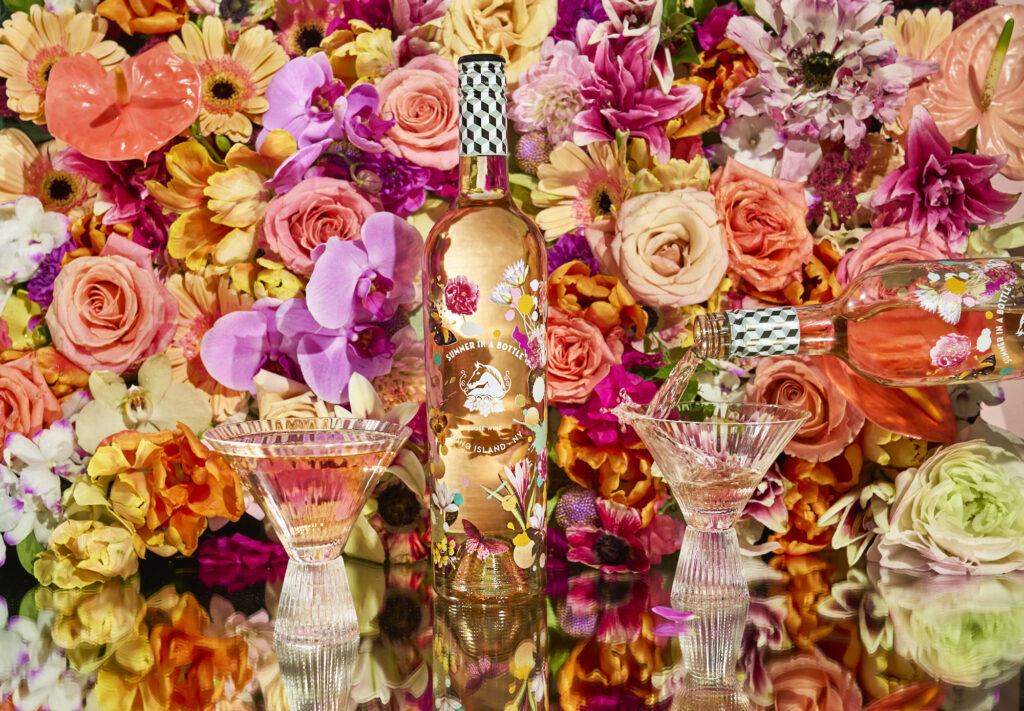
The combination of slow and steady ripening and cool nights creates fresh, vibrant, elegant rosés, including Wölffer’s sparkling rosé and its best-selling Summer in a Bottle Long Island Rosé. Wölffer sells more than 50,000 cases of the wine annually.
Drink Them Now… Or Later
When the rosé renaissance occurred in the 2010s, conventional guidance recommended drinking bottles within a year. The erroneous belief that rosé does not age well prevailed for a while, but fortunately, wines from New York were among those that helped to set the record straight.
“Although rosés can be enjoyed right away, they don’t need to be. They are built in a way that they can hold up to some cellar aging,” says William of his rosé offerings.
At Weis, rosé is produced with enough structure to continue to develop over a few years.
“We recently released a one-year-aged Cabernet Franc Rosé to show our customers that rosé can age great,” say Peter and Ashlee Weis.
Wölffer’s Roth appreciates drinking rosé when it’s young and fresh, but notes the winery produces some that age extremely well while remaining vibrant in the glass, particularly the winery’s Gradioso from its White Horse Collection.
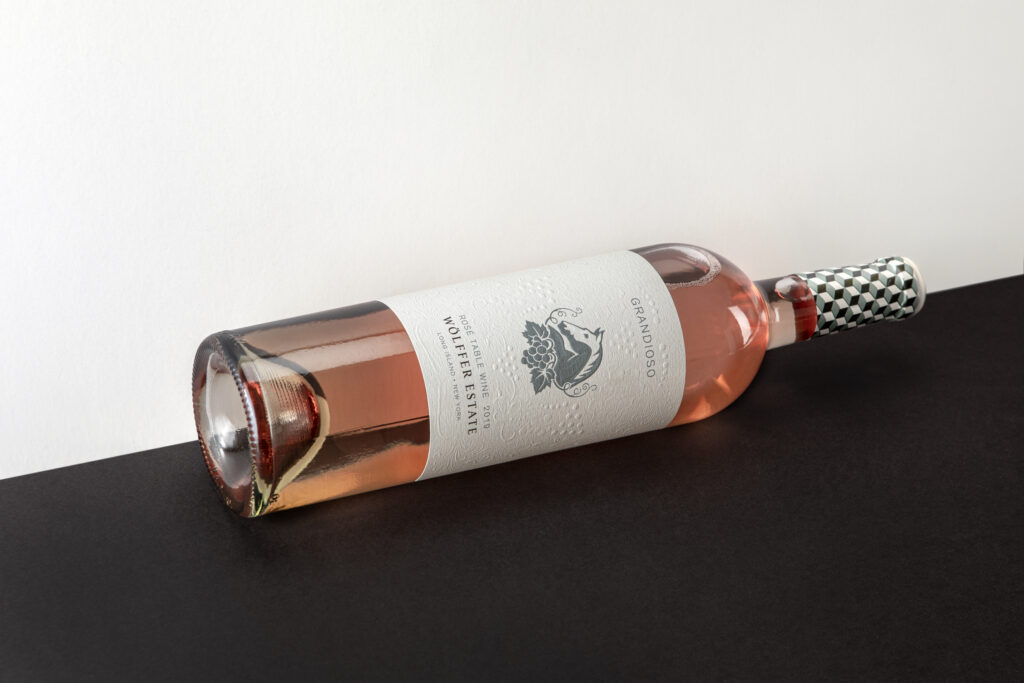
“It can age for at least 6 to 7 years and improves with age,” he says.
Hoyle produces her rosé wines to have enough fruit profile and tannin, or as she puts it, “personality,” to age for a minimum of 5 to 10 years.
“My first love of rosé was Tavel, so I incorporate what I love about those wines into how I make my own,” she says. “I keep a small stash of Finger Lakes dry rosés in my cellar, and it is always fun to pull out a bottle with 6 to 10 years of age and see how alive the wine is. I have yet to be disappointed!”
Celebrating Rosé Throughout New York
National Rosé Month may happen in August, but in New York’s wine regions, the celebration of the wine is not confined to just one month.
Hoyle is fond of two rosé events that happen annually in the Finger Lakes. Discover Dry Rosé happens each spring and is a chance for local producers to pour their dry pink wines for local buyers and writers. And the Rosé Soirée—where attendees are encouraged to wear their favorite shade of rosé—happens each June at Pulteney Park in Geneva, featuring Finger Lakes rosé wine, food and live music. (Save the date for June 12, 2027.)
On Long Island, Roth recommends the annual Dan’s Rosé Soirée in Southampton on Memorial Day weekend with more than 20 “rosés from the South Fork, North Fork and beyond, paired with bites from top Hamptons chefs.”
Individual wineries also celebrate their pink bottles.
Ryan William Vineyard celebrates its yearly rosé release in early spring with a Wine Club Social. Members get first access to the current vintage of rosé.
Wölffer runs seasonal tastings like “World Wine Wednesday,” which includes a dedicated rosé night, a rosé tasting flight, and summer events that spotlight its rosé releases.
And for Hoyle, the annual celebration of rosé is a personal event.
“We do not have a formal rosé celebration, but every year I get it bottled before my birthday on March 14,” she says. “It may sound silly, but rosé is such a harbinger of spring that it feels cosmically appropriate to have that task behind me before another spring equinox and trip around the sun hit.”
Beyond Spring and Summer
Winemakers don’t just relegate rosé to the warmer months—anymore. In the past decade, Roth has learned to appreciate the wine all year round.
“Summer in a bottle can transport you to a happy, fun place even in the middle of the winter,” he says.
Peter and Ashlee Weis confirm they “love rosé and think it is a great option year-round. “
And Hoyle is all for enjoying the wine 365 days a year, too.
“What could be better than rosé at Thanksgiving?” she says, calling the inclusion of the wine on the holiday table a perfect pairing. “Or a glass of rosé during a snowstorm! Living in the Finger Lakes means celebrating all seasons, and I like to have a reminder of summer during long December and January nights.”
It may currently be peak rosé season, but the winemakers have spoken. New York’s offerings—dry, semi-sweet, or sparkling from a variety of vinifera, hybrids, and native grapes—should be on the table and in the wine glass twelve months of the year.