California is the most well-known region for sparkling wine in the U.S. But New York’s sparkling star is rising, thanks to a cool climate that makes it ideal for producing fruit-forward, acid-driven wines, and producers who are eager to experiment with a range of promising varieties and techniques that consumers are responding to.
Sparkling wine is no longer just the wine we pop at weddings and New Year’s Eve—it has become the drink we crave on Tuesday, just because. People are also increasingly interested in exploring a range of bubbles, from bone-dry sparklers produced in the traditional Champagne method, to sweeter expressions created with force carbonation.
As more winemakers in the Empire State get excited about the potential for making premium sparkling wine here, it is easy to find sparkling wine made in a myriad of ways, from a multitude of grapes that will suit just about any food or mood.
Sparkling Wine Week is held every year during the first week of July. In anticipation, we reached out to winemakers across the state to find out more about what we can expect to pop this year.

Traditional and Modern Production Techniques Abound
There are a number of ways to make wine sparkle. The primary methods are traditional (where second fermentation takes place within individual bottles), Pét-Nat (short for Pétillant Naturel, where one fermentation occurs in the bottle), Charmat (where secondary fermentation takes place in a large, sealed stainless tank) and Forced Carbonation (where bubbles are added directly into a still wine in a pressurized tank).
At Milea Estate Vineyards, general manager Russell Moss says he got serious about sparkling wine in 2017.
“I teamed up with Scott Dwyer out in Oregon,” Moss says. “He’s now the winemaker for our Left Bank collection, that’s our Oregon-based sparkling line, and he also consults on all our sparkling projects. We offer a full lineup on both coasts: Brut, Blanc de Blancs, Blanc de Noirs, and Rosé, under our Right Bank (NY) and Left Bank (OR) labels.”
Clearly, Milea is serious about sparkling. But fittingly for the format, there’s an ebullience that matches the solemnity.
“We have a special extended tirage blend called Ode,” Moss says, adding that it spends at least seven years aging en tirage before release. “Each ‘drop’ of Ode is a fresh stylistic interpretation, a nod to the incredible sparkling wine terroirs across the U.S., with branding that gives a shout-out to the hip hop generation.”
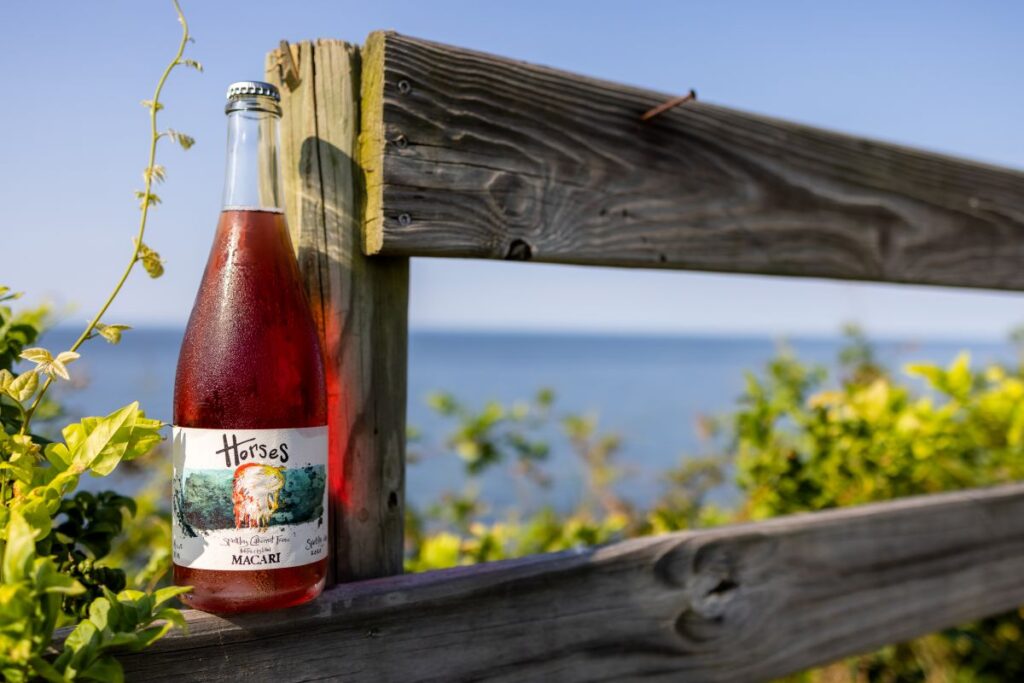
At Macari Vineyards on the North Fork, director of operations Gabriella Macari says the team embraced traditional method winemaking before the market was ready for it in 1998.
“We paused the production in 2000, but then returned to it in 2010,” she says. Now, in addition to producing traditional method, Macari also makes a wildly popular Pét-Nat. “For the traditional method wines, Chardonnay is particularly excellent to work with in New York, considering the nervy acidic backbone and delicate orchard fruit character. But Cabernet Franc in Pét-Nat creates wines with a distinct fruity character and savory undertones.”
Defying Grape Expectations
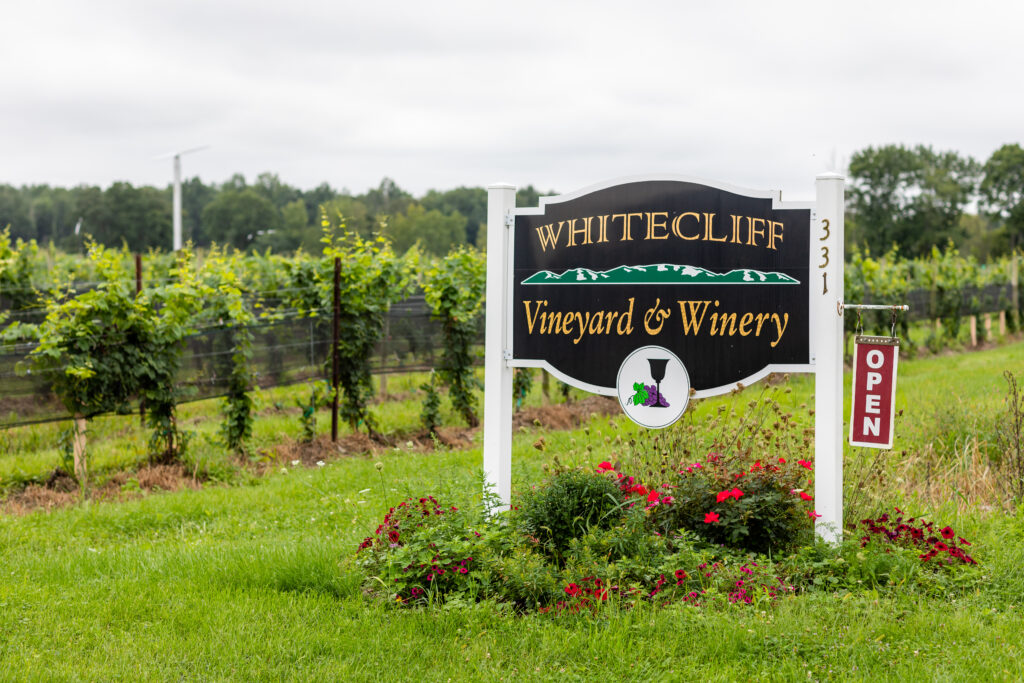
Like Macari, the team at Whitecliff Vineyard & Winery in the Hudson Valley fell for bubbles before sparkling wine went mainstream.
“We started experimenting with sparkling about 20 years ago, but our first commercial release was closer to 15 years ago,” says winemaker Brad Martz, explaining that Whitecliff launched the North River brand to devote themselves exclusively to growing sparkling wine, made from classic sparkling grapes like Chardonnay and Pinot Noir, plus more unusual choices like Riesling, Traminette, Vidal Blanc and Pinot Noir.
Whitecliff began producing Pét-Nats with Vidal Blanc and Traminette, and Martz says people “are responding to the freshness and unique varieties.”

At Johnson Estate Winery in Westfield, winemaker Jeff Murphy says that Lake Erie’s growing conditions—September rains and disease pressure, a long cool growing season—allow him to make both traditional method and force-carbonated wines from Chardonnay and Pinot, and also hybrids like Chambourcin, Catawba, Vidal Blanc and Traminette that the team is proud of and the public embraces.
Part of the fun of sparkling, for both the makers and drinkers, is that the party can come in many forms, without ever sacrificing quality.
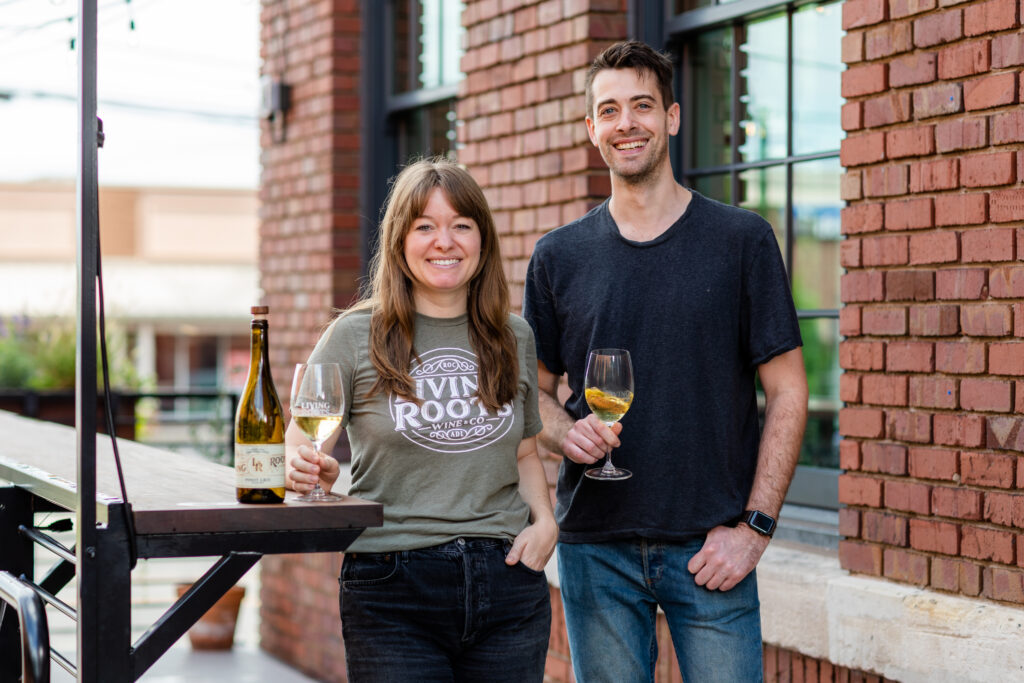
“We began with traditional method Blanc de Blancs from Chardonnay as well as a sparkling Riesling in 2016,” says Colleen Hardy, co-founder of Living Roots Wine & Co. in the Finger Lakes. “We added Pét-Nat to our line-up in 2017, and we’ve made a Pét-Nat Riesling as well as a Pét-Nat Rosé most years, and in 2021, we introduced our Charmat method session sparklings that are just 8% to 9% alcohol.”

At Osmote Wine in the Finger Lakes, winemaker Ben Riccardi also embraces less-traditional grapes for Pét-Nats, including Cayuga White, Dechaunac, Leon Millet and Marquette.
“Cayuga has a perfect sparkling chemistry and excels as Pét-Nat,” Riccardi says. “And hybrid reds often show as low-tannin, and pairing that with carbonic maceration in the cellar makes for deliciously fruity, red sparkling wines.”
In many ways, this kind of sparkling wine is “emblematic of the region,” Riccardi says, “showing off our unique ability in a cool climate to achieve great ripeness while still delivering a light, ethereal, high-acid wine.”
Moss agrees. New York isn’t just making great wine.
“New York is producing some of the finest sparkling wine in the country right now,” Moss says. “The wines here have such a clear sense of place: you get these bright, fruit-driven flavors that stay incredibly vivid, even with extended lees aging. That vibrancy and clarity of fruit is something I feel is really unique to New York terroir.”
In the mood for a force-carbonated Catawba, a traditional method Chardonnay, a Pét-Nat Dechaunac, a Riesling Charmat, something aged on the lees, something low-alcohol? During Sparkling Week this year, the Empire State offers it all.